
Seven Kings to Ilford High Road office removals route advice
Posted on 13/06/2026
Moving an office from Seven Kings to Ilford High Road can look simple on a map, and then the real day arrives. Traffic builds, lifts are slower than expected, a parking bay disappears, and suddenly everyone is asking who has the extension leads. This guide gives you practical Seven Kings to Ilford High Road office removals route advice so you can plan the journey, reduce avoidable delays, and keep the move as calm as possible.
Whether you are relocating a small team, shifting a few workstations, or managing a larger commercial move, the route matters. So does timing. So does preparation. In our experience, the difference between a smooth office relocation and a chaotic one usually comes down to the details that get overlooked at the start. Let's deal with those properly.
If you are also comparing services, it can help to look at the wider support available through office removals in Ilford, or browse the broader services overview to see how different moving needs fit together.
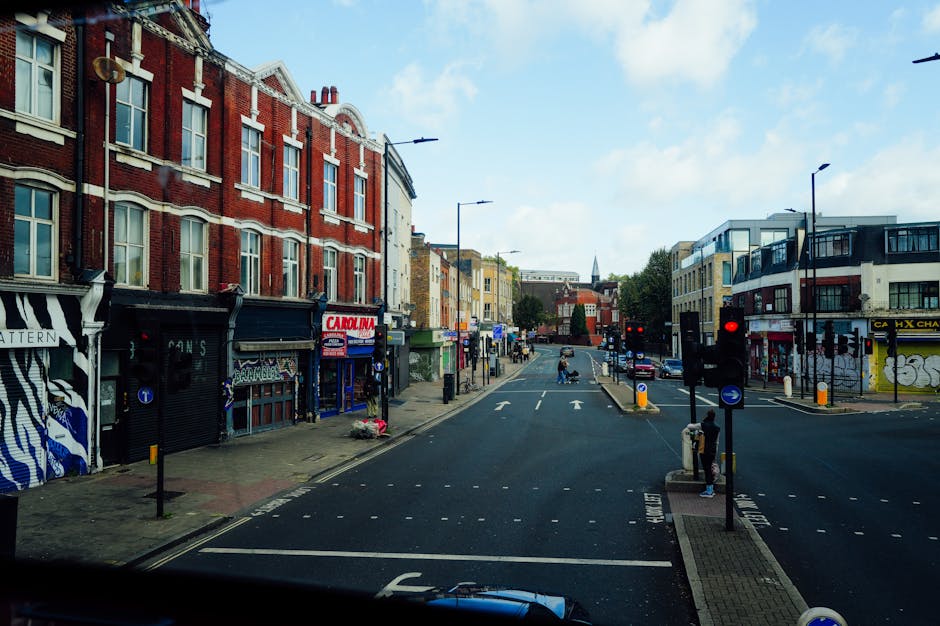
Why Seven Kings to Ilford High Road office removals route advice Matters
The journey from Seven Kings to Ilford High Road is not a long-haul move, but that does not mean you can treat it casually. Short local office removals often run into the same issues as bigger ones: congestion, restricted stopping, building access, awkward loading points, and staff arriving before the removal team has even parked up. If the route is not thought through, the whole day gets stretched.
For business moves, time is not just money in the abstract. It is meetings missed, phones unattended, staff waiting in limbo, and clients unable to reach the right person. That is why route advice is more than a navigation note. It is part of your moving strategy.
Ilford High Road is a busy commercial corridor, and the surrounding streets can change character quickly. One block may offer straightforward kerbside access, while the next has bus activity, tighter bays, or pedestrian flow that makes unloading slower than expected. Seven Kings also has its own local pinch points depending on the time of day. None of this is dramatic on its own, but together it can create a messy delay.
Expert summary: A local office move succeeds when route planning, building access, parking, and packing readiness are treated as one job, not four separate ones.
That is the heart of it. You are not just moving desks. You are moving a working environment. If you want a better sense of how this kind of move fits into the wider local area, the article on thriving business districts and residential retreats in Ilford gives helpful context for why these routes matter so much.
How Seven Kings to Ilford High Road office removals route advice works
Good route advice is part planning, part risk reduction, and part common sense. Start with the route itself, then work backwards to the moving day requirements. In practice, that means checking where the van will enter and exit, where it can safely stop, how long loading is likely to take, and whether the destination has any access restrictions.
For a move between Seven Kings and Ilford High Road, the most sensible route is usually the one that balances speed, reliability, and access. The shortest route is not always the best route. If a busier road creates unnecessary stop-start traffic, a slightly calmer alternative can save time overall. To be fair, that is true of a lot of local London moves.
Here is the basic workflow most professional movers follow:
- Assess the collection point in Seven Kings.
- Check the destination access near Ilford High Road.
- Identify parking or waiting risks for the van.
- Build in a time buffer for loading, traffic and lift use.
- Prepare the office so the move can happen in an organised sequence.
The practical question is not just "how far is it?" It is "how easily can we move the items, and can we do it without disrupting business more than necessary?" That question changes the whole approach.
If you are still at the decision stage, a quick look at pricing and quotes can help you understand what is usually included and how scope affects cost. For businesses needing safer handling of desks, shelving or filing units, furniture removals in Ilford may also be relevant.
Key Benefits and Practical Advantages
Route advice sounds basic until you compare a well-planned move with one that was left to chance. The practical advantages show up quickly, sometimes before the van even leaves.
- Less downtime: staff can get back to work sooner when the move is tightly timed.
- Lower risk of damage: shorter waiting times and better loading access reduce handling stress.
- Better parking control: you are less likely to lose time circling or unloading far from the entrance.
- Smoother communication: everyone knows where the van is going and when it should arrive.
- Less disruption to neighbours or other businesses: especially important on a busy high road.
There is also a quieter benefit: confidence. When a team knows the plan, they stop guessing. That sounds small, but on moving day it matters a lot. People pack differently, label better, and ask fewer last-minute questions. The whole atmosphere changes.
Another benefit that often gets missed is reputation. If your office move keeps public-facing operations steady, clients barely notice the transition. For many businesses, that is the best possible outcome. No drama, no apologetic emails, no "sorry, we are moving today" scramble at lunchtime.
Who This Is For and When It Makes Sense
This advice is useful for a wide range of movers, but it is especially relevant if your office is small to mid-sized and your team is trying to avoid taking a full day out of service. It also helps if your premises are in a mixed-use part of Ilford where loading space is limited or shared with other road users.
You will especially benefit if you are:
- moving a startup or growing business between rented offices
- relocating from a co-working space to a private unit
- upgrading to a better front-facing location on Ilford High Road
- moving filing cabinets, IT equipment, desks and stock together
- working to a tight deadline because of lease handover or fit-out work
It also makes sense if you are combining office relocation with storage. Sometimes the cleanest move is not a one-step move at all. Some items can go straight in, while surplus furniture or archived paperwork can be placed into storage options in Ilford for a short period. That is often the sensible middle ground when space at the new site is not ready yet.
Smaller teams sometimes assume a local move is simple enough to handle on the fly. Sometimes they are right. But if there is heavy office furniture, limited parking, sensitive equipment, or a public-facing reception area, the maths changes quickly.
Step-by-Step Guidance
Here is the practical version. Not the polished brochure version. The one that helps the day actually run.
1. Survey both ends before moving day
Check the Seven Kings pickup point and the Ilford High Road drop-off point. Look for entrance width, staircases, lift access, and any awkward corners. A van may be fine on paper and a nuisance in real life.
2. Choose the most realistic departure time
Early morning moves can help avoid the heaviest flow, but they need staff and building access ready early too. Mid-morning can work if you are not dealing with school-run style traffic or a busy reception opening. There is no magic slot. There is only the slot that fits your building and your people.
3. Label everything clearly
Rooms, departments, and priority items should be obvious. A box marked "IT" is useful. A box marked "misc" is not. Honestly, "misc" is how delays breed.
4. Protect the awkward items first
Printers, monitors, glass shelving, and framed displays need stronger packing attention than paper archives. If you have large desks or fitted-style units, ask about specialist handling. For that side of the job, packing and boxes in Ilford can support better preparation.
5. Keep a small "first hour" box separate
Put chargers, key documents, refreshments, basic tools, and network access notes in one clearly marked box. This box should not disappear under a pile of office furniture. You will be glad of it around 9:15 a.m. when somebody asks for the label printer.
6. Confirm access and contact details
Have names and phone numbers for both sites ready. If a delivery bay is blocked or a receptionist is not expecting the van, delays happen fast. A quick call can save a messy twenty minutes.
7. Build in a buffer
Always assume something will take longer than expected. Maybe the lift is slow. Maybe the route is busier than usual. Maybe the final desk will not fit through a doorway quite as neatly as planned. That is normal. A buffer turns an inconvenience into a shrug rather than a crisis.
Expert Tips for Better Results
These are the small things that make a local office removal feel much more controlled.
- Split your move by priority: take essential working items first, then secondary furniture, then archive material.
- Avoid "everyone helps at once" chaos: a couple of designated handlers usually work better than ten people passing one box around.
- Photograph cable setups: especially if you are reconnecting printers, monitors or multiple desks later the same day.
- Use colour coding: simple coloured stickers for departments or floors can save time at the new office.
- Keep fragile tech together: mixed packing is where small damage often starts.
One useful rule: if something is awkward to replace, pack it like it matters. Because it does. That sounds obvious, but on moving day obvious things get forgotten in the noise.
If the route timing is tight, you may also want to look at same-day removals in Ilford. That is not for every office move, but for urgent relocations or tenancy deadlines, it can be a practical backup.
And one more thing. Do not leave the final "we will sort it on the day" decision to a single person under pressure. That is how small issues become mini-disasters. A little planning goes a long way, really.

Common Mistakes to Avoid
Most office move problems are not mysterious. They are predictable. Which is annoying, but also helpful, because predictable problems are preventable.
- Assuming the route is too short to matter: local still means local congestion, loading delays, and stop-start traffic.
- Ignoring parking restrictions: if the van cannot stop close enough, the whole move slows down.
- Poor box labelling: "Office stuff" does not help anyone.
- Leaving IT unplugged until the end: test the basics earlier if possible.
- Not notifying the building manager: lifts, loading bays, and access points often need advance coordination.
- Overpacking heavy items: a box that is too heavy is slower to move and more likely to fail on the stairs.
There is also the classic mistake of underestimating how long the office will take to empty once people stop typing and start packing. It is rarely as quick as the optimistic estimate. The kettle alone can hold everyone up. Strange but true.
Another easy error is failing to align route planning with the actual contents of the move. If your office includes bulky shelving or specialist furniture, the route has to work for the vehicle and the handling team, not just for a sat-nav timer.
Tools, Resources and Recommendations
You do not need a complicated system, just a sensible one.
- Printed move plan: useful when battery life, signal, or access becomes unreliable.
- Simple label system: department, room, or priority colour coding works well.
- Floor plan for the new office: helps decide where boxes and furniture should go.
- Inventory list: especially valuable for IT, filing systems, and shared equipment.
- Protective materials: crates, blankets, wrap, and proper boxes reduce handling risk.
For customers who want a clearer view of the wider service process, the removal services in Ilford page is a useful starting point. If you want to understand the company background and working style before booking, the about us page is worth a look too.
Some offices also benefit from looking ahead to what will happen after the move. If there is a pause between handover and installation, short-term holding space can make the transition much less stressful. Again, not glamorous. Very practical.
Law, Compliance, Standards, or Best Practice
Office removals involve more than lifting and driving. In the UK, businesses still need to think about safe handling, access arrangements, insurance, and data confidentiality. That does not mean every move needs legal paperwork piled high on the desk. It does mean the process should be sensible and documented where needed.
Useful best-practice points include:
- Health and safety: manual handling should be kept within reasonable limits, especially for heavy or awkward items.
- Insurance awareness: understand what is covered during transit and loading.
- Confidential materials: documents, drives, and devices should be handled securely.
- Access permissions: check if the building needs advance notice for parking, lifts, or loading areas.
- Waste and recycling: dispose of unwanted office items responsibly where possible.
If you are concerned about safety standards, the company's insurance and safety information and health and safety policy can help set expectations. For businesses with a sustainability focus, recycling and sustainability is also relevant, especially if you are clearing out redundant furniture or packaging.
On the trust side, it is reassuring when a mover is transparent about payment and security and has a clear terms and conditions page. Not exciting. Important though.
Options, Methods, or Comparison Table
There is no single best way to manage a Seven Kings to Ilford High Road office move. The right method depends on team size, volume, urgency, and how much disruption you can tolerate.
| Method | Best for | Strengths | Trade-offs |
|---|---|---|---|
| Full-service office removals | Larger moves, busy businesses, short downtime windows | Less stress, better coordination, handled loading and transport | Usually costs more than a lighter-touch option |
| Man and van support | Smaller offices, lighter loads, flexible schedules | Practical for local jobs, often very adaptable | May need more internal packing and coordination |
| Removal van hire with labour help | Teams that want a middle ground | Flexible and often efficient for modest office contents | Planning still matters a lot, especially with access |
| Staged move with storage | Offices with phased handover or incomplete fit-outs | Reduces clutter and pressure on move day | Needs extra coordination and short-term storage planning |
For many local businesses, the simplest answer is a balanced one: use the right vehicle, pack properly, and keep the route plan realistic. If the move is smaller and you want flexibility, the man and van service in Ilford or man with a van in Ilford can be a sensible fit. If you just need the vehicle and a straightforward transport option, removal van hire in Ilford may be enough.
Case Study or Real-World Example
Picture a small office of eight staff moving from Seven Kings into a commercial unit near Ilford High Road. The team has computers, two storage cabinets, a reception desk, and a handful of packed archives. Nothing massive. Nothing tiny either.
The first attempt at planning was simple: "We'll leave early and sort parking when we get there." A fair enough instinct. But the building near Ilford High Road had tighter stopping space than expected, and the lift booking needed a time window. Without a stronger plan, the van could easily have arrived too soon, forcing everyone to wait while the access window opened.
So the move was adjusted. The team labelled all boxes by department, kept IT separate, and sent a clear arrival time to both buildings. The route itself was checked for the least awkward loading sequence, not just the shortest drive. The result was not magical. It was just organised. And that made all the difference.
By mid-morning, the core workstation setup was in place. The first-hour box was opened before anyone got grumpy. The archives followed later, and the reception desk was moved without a last-minute scramble. No heroics. Just the kind of steady, unglamorous planning that keeps businesses functioning.
That is often what good local office removals look like in real life. A bit less dramatic than TV, thankfully.
Practical Checklist
Use this before the move, and again the day before. It saves headaches.
- Confirm the pickup and drop-off addresses in full
- Check access hours for both buildings
- Reserve lift use if needed
- Identify parking or loading restrictions
- Label boxes by room, department, or priority
- Pack fragile tech and glass items separately
- Prepare one essential-first box for the new office
- Back up important data before moving devices
- Clear walkways and remove trip hazards
- Tell staff what time to arrive and who to contact
- Decide what is going into storage, recycling, or disposal
- Check the booking, payment, and terms before move day
If you have items that need extra care beyond standard office furniture, it may be worth reviewing specialist help such as furniture removals in Ilford. If the office move overlaps with a home move or a mixed relocation, the broader removals in Ilford page can help you sort the moving categories more cleanly.
Conclusion
Seven Kings to Ilford High Road office removals route advice is really about reducing uncertainty. The route matters, yes, but so do access, timing, packing, and communication. When those parts work together, the move feels far more manageable and the business gets back on its feet faster.
A local office relocation does not need to be chaotic. With the right preparation, it can be a fairly calm, well-paced process, even if the day itself feels busy. That calm is worth aiming for. It keeps staff confident, protects equipment, and avoids the kind of rush that nobody enjoys.
Get a free quote today and see how much you can save.
If you are ready to plan the next step, make sure you review the move details early, choose a realistic route, and speak with a local team that understands Ilford's access quirks. That's usually where the smooth jobs begin.


